Home / Blog / Convex edge vs bevel edge barber scissors
Convex edge vs bevel edge barber scissors
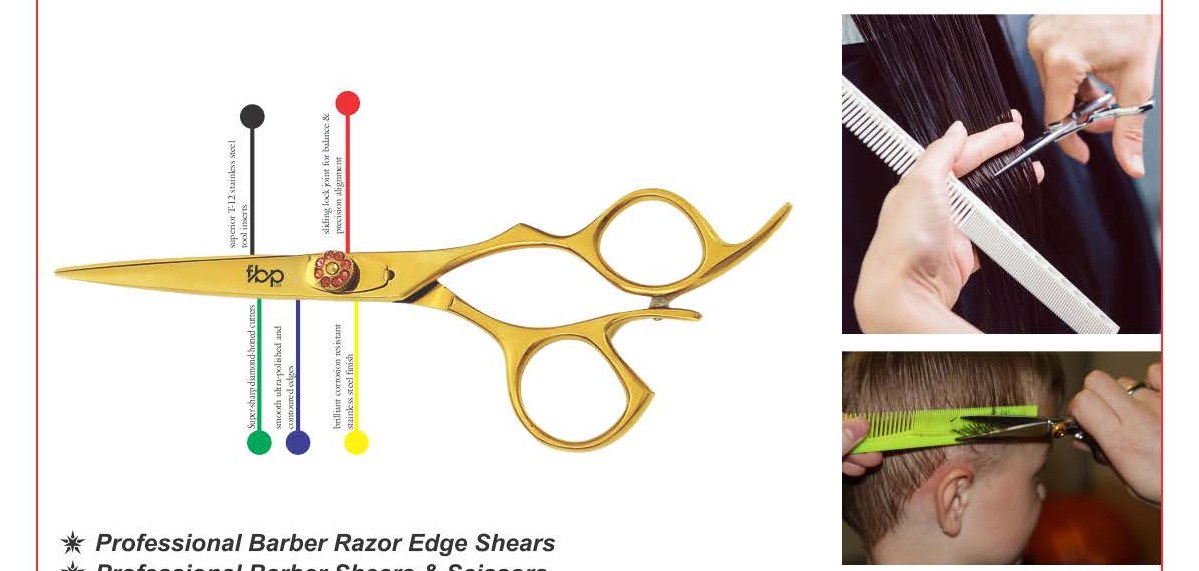
The shape of the cutting edge decides how a hair scissor feels and which techniques it suits. Buyers usually meet two edge types.
Bevel edge
A bevel edge has a flatter, steeper angle. It is very durable and easy to resharpen. Many bevel-edge scissors have fine serrations on one blade that grip the hair so it does not slide, which suits blunt cutting, scissor-over-comb work and less experienced users. Bevel edges are common in training, economy and many everyday professional scissors.
Convex edge
A convex edge is ground in a gentle curve to a very fine edge. It is extremely sharp and allows smooth techniques such as slide cutting, where the scissor glides through the hair. Convex edges need more careful handling and specialist sharpening, and they usually sell at a higher price.
Which to stock
- Training and value ranges: bevel edge, often with micro-serration.
- Everyday professional ranges: bevel or semi-convex edges.
- Premium ranges: convex edges, paired with harder steel. Our guide to 410C, 420C and 440C steel explains how steel grade affects edge life.
Ordering
State the edge type you want for each model when you request a quotation, and check samples for sharpness and smooth closing. Ask us which edge styles are available for your chosen models of barber, thinning and pet grooming scissors.